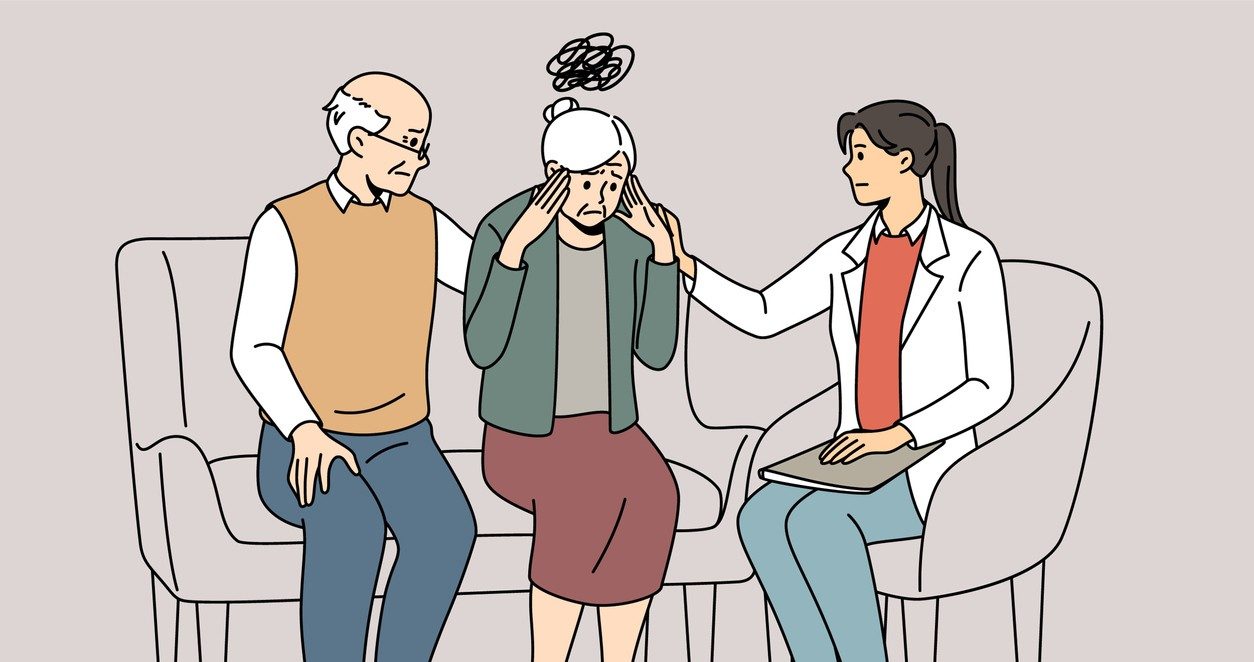
Psychological adjustment following a diagnosis of dementia involves a complex and multifaceted process- both for the individual diagnosed, and their caregivers. Diagnosis of dementia can evoke various negative and rare positive emotions and psychological responses. Dementia is one of the highly prevalent disorders (Lewis et al., 2014) and the reluctance of healthcare providers to discuss the diagnosis with confidence and comfort is concerning. Patients with dementia (PWD) require adjustment to various psychological and emotional distresses following a positive dementia diagnosis. Changes in intellectual abilities, depreciating self-including traits, higher risk of major depression disorder (MDD) are some of them (Shaw, 2018). Robinson and colleagues (2005) explore other themes of psychological reactions to this diagnosis.
The book Staring at the Sun: Overcoming the Terror of Death (Yalom, 2008) (https://www.goodreads.com/book/show/2062034.Staring_at_the_Sun) explains how accepting and acknowledging the diagnosis of dementia is similar to staring at the sun, and shading our eyes is as the emotional responses to the diagnosis. Emotional aspects such as sadness, denial, fear-of-loss-of-control over emotions and external factors, threat, feelings of dependency, anger, guilt, burden, loss of independence, loss of hope, shame, or embarrassment, and rarer emotions such as acceptance and relief (Aminzadeh et al., 2007). These psychological manifestations are also influenced by different stages and severity of dementia (mild, moderate or severe).
Resources such as psychosocial groups interventions, online discussion and dementia support workers, counselling, adaptive coping strategies, goal-setting strategies, are all the various ways to support patients’ adjustment to their diagnosis (Cheng et al., 2020). Intense education of the professionals and expertized professionals in dementia settings have a positive role in the adjustment of PWD (Aminzadeh et al., 2007). The goal of supporting the patients is to help them adjust to their illness (Shaw, 2018). The major factor in doing so is the involvement of a multidisciplinary team of geriatric psychiatrists, clinical psychologists, social workers, general practitioners, and psychiatric nurses (Aminzadeh et al., 2007).
The living well with dementia post-diagnostic course (LivDem) emphasizes upon the role of sensitive and thoughtful disclosure of the diagnosis in promoting adjustment (appendix 2). LivDem suggests the steps of talking about the emotional distress associated with their diagnosis in a group setting (Cheston, 2013). It also emphasizes the importance of family and friends in their journey. The disclosure process is an ongoing process that can be benefited by group settings. They promote univariately and eradicate the feeling of loneliness, stigma and enhance cognitive and emotional functioning (Bender and Cheston, 1997; Pusey and Richards, 2001).
Group psychotherapy such as cognitive behavior therapy (CBT) inhibits social isolation, promotes awareness diminishing denial, facilitates the grief process (Husband, 2000). Being in contact promotes belongingness and decreases feelings of terror and confusion.
Psychoeducation facilitates PWD with making better sense, meaning, and consequences of their diagnosis. This is an important aspect promoting an increased sense of control (Parker et al., 2008). Other interventions include activities of daily living that can also facilitate diminishing feelings of self-worth, self-identity, dependency, and promote social relationships. Interventional involvement of family and friends can diminish feelings of guilt, shame, and burden (Aminzadeh et al., 2007). This aspect in return helps in avoiding emotions of anger, stress, pain, and sadness (Ducharme et al., 2009). Focusing on psychological adjustment following a diagnosis of dementia could be useful in manifestation of less severe symptoms. Moreover, many individuals report expressing various psychological benefits, less distress, a sense of relief, opportunity for betterment which results in a better sense of the future (Aminzadeh et al., 2007).
Adjusting to Dementia is a complex process for the family members but also a sensitive and challenging task for clinicians. Delivering dementia diagnosis to the patients and their family requires a thoughtful and compassionate approach. Using the revised pragmatic model that incorporates biological, psychological, and social factors, clinicians can provide a more comprehensive and supportive diagnosis. Following such structured approaches would also significantly aid in protecting clinicians' mental health by following a structured and standardized frame work to deliver tractable factors with the involvement of an interdisciplinary team.
I will leave some resources that I have come across across my journey of working with Dementia patients. If you or anyone you know is going through the burden of dementia diagnosis, reach us out at MindDhara for patient and family adjustment support and book a first free consultation today!
https://www.alzheimers.org.uk/get-support/help-dementia-care/understanding-supporting-person-dementia-psychological-emotional-impact
https://explore.bps.org.uk/content/report-guideline/bpsrep.2016.inf267/chapter/bpsrep.2016.inf267.8
https://www.dementiauk.org/information-and-support/specialist-diagnosis-and-support/emotional-impact-of-a-diagnosis/
https://www.agespace.org/dementia/support-advice
https://www.ageuk.org.uk/services/in-your-area/dementia-support/